9 Proven Tricks to Master Portion Control for Weight Loss
9 Proven Tricks to Master Portion Control for Weight Loss
If you are eating healthy but still not seeing weight loss results, portion size could be the missing piece. Many people unknowingly eat more than their body needs, even when choosing nutritious foods. Over time, this slows progress and creates frustration. Portion control is not about cutting food or feeling hungry. It is about understanding the right quantity your body needs to feel satisfied, energized, and balanced. When practiced consistently, portion control helps you lose weight naturally while still enjoying your meals. Let’s explore 9 proven and practical tricks that will help you master portion control in a simple, stress-free way.
1. Use Smaller Plates and Bowls
Our brain is strongly influenced by visual cues. When food is served on a large plate, it appears smaller, making us feel unsatisfied even after eating enough. Switching to smaller plates and bowls can instantly reduce portion sizes without making you feel deprived. Your plate looks full, your mind feels satisfied, and you naturally eat less.
Tip: Choose 8–9 inch plates instead of oversized dinner plates.
2. Use Your Hand as a Portion Guide
You don’t need a weighing scale to eat correctly. Your hand is the easiest and most reliable portion control tool.
Palm: Protein (dal, paneer, eggs, chicken)
Fist: Vegetables or salad
Thumb: Healthy fats (ghee, oil, nuts)
Cupped hand: Carbs (rice, poha, fruits)
This method works perfectly for Indian meals and helps you control portions anywhere, even while eating out.
3. Fill Half Your Plate with Fiber-Rich Foods
Fiber helps you feel full for longer and prevents overeating. Vegetables, salads, and soups add volume to your meals without adding too many calories. Start your meals by filling half your plate with vegetables or salad. This naturally reduces the space for heavy, calorie-dense foods.
Best choices: Cucumber, carrot, beans, leafy greens, cabbage, soups.
4. Eat Slowly and Mindfully
Your brain takes about 20 minutes to register fullness. When you eat too fast, you end up eating more than needed before realizing you’re full. Slow down, chew properly, and enjoy every bite. Eating mindfully improves digestion and helps you stop eating at the right time.
Simple habit: Keep your phone away while eating and focus only on your meal.
5. Measure Once, Then Learn to Eyeball
If you’re new to portion control, measuring food initially can be helpful. Use measuring cups or spoons for rice, oil, and snacks for a few days. Over time, you’ll naturally learn what the right portion looks like and won’t need to measure every meal.
Remember: Portion awareness is a skill — it improves with practice.
6. Avoid Eating Directly from the Packet
Eating straight from snack packets leads to mindless overeating. You lose track of how much you’re consuming, especially with chips, namkeen, or sweets. Always transfer snacks to a bowl or plate before eating. This small habit can save hundreds of extra calories.
Smart swap: Keep roasted chana, makhana, or nuts in pre-portioned containers.
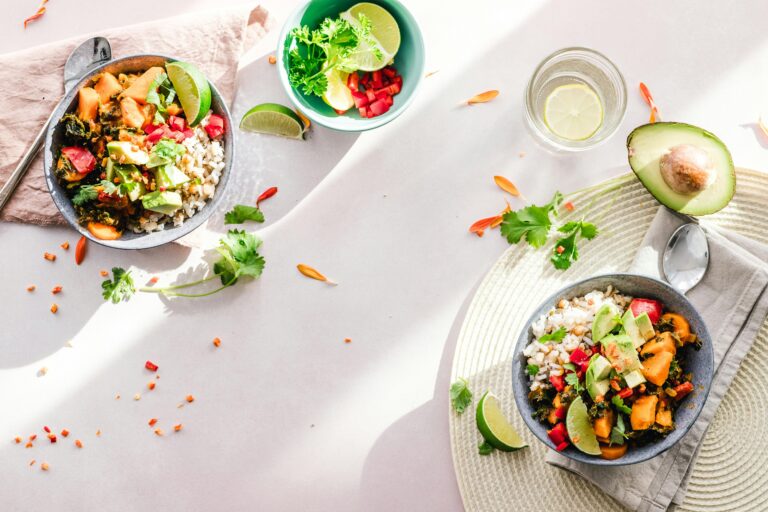
7. Build a Balanced Plate Every Time
A balanced meal keeps you full and reduces cravings later in the day. Every plate should include:
Protein for muscle and satiety
Carbohydrates for energy
Healthy fats for hormone balance
Fiber for digestion
When your meals are balanced, portion control becomes effortless.
8. Watch Out for Liquid Calories
Liquid calories are easy to consume but don’t keep you full. Sugary tea, juices, milkshakes, and flavored drinks add extra calories without reducing hunger. Choose water, lemon water, green tea, or black coffee instead. If you enjoy tea or coffee, reduce sugar gradually.
Rule: Drink calories only when truly needed, not out of habit.
9. Stop Eating When You Feel Satisfied, Not Stuffed
There is a big difference between being satisfied and being overly full. Learn to listen to your body’s hunger and fullness signals. Eat until you feel comfortably satisfied — not heavy or sleepy. This habit takes time, but once mastered, it supports long-term weight loss.
Mindset shift: You can always eat again when you’re hungry.
Conclusion
Portion control is one of the most powerful tools for sustainable weight loss. It allows you to enjoy food, stay consistent, and avoid extreme dieting. You don’t need perfection — just small, mindful changes practiced daily.
Start with one or two tricks from this list and gradually build the habit. Over time, portion control will feel natural, and your weight loss journey will become easier and more enjoyable.
If you are eating healthy but still not seeing weight loss results, portion size could be the missing piece. Many people unknowingly eat more than their body needs, even when choosing nutritious foods. Over time, this slows progress and creates frustration. Portion control is not about cutting food or feeling hungry. It is about understanding the right quantity your body needs to feel satisfied, energized, and balanced. When practiced consistently, portion control helps you lose weight naturally while still enjoying your meals. Let’s explore 9 proven and practical tricks that will help you master portion control in a simple, stress-free way.
1. Use Smaller Plates and Bowls
Our brain is strongly influenced by visual cues. When food is served on a large plate, it appears smaller, making us feel unsatisfied even after eating enough. Switching to smaller plates and bowls can instantly reduce portion sizes without making you feel deprived. Your plate looks full, your mind feels satisfied, and you naturally eat less.
Tip: Choose 8–9 inch plates instead of oversized dinner plates.
2. Use Your Hand as a Portion Guide
You don’t need a weighing scale to eat correctly. Your hand is the easiest and most reliable portion control tool.
Palm: Protein (dal, paneer, eggs, chicken)
Fist: Vegetables or salad
Thumb: Healthy fats (ghee, oil, nuts)
Cupped hand: Carbs (rice, poha, fruits)
This method works perfectly for Indian meals and helps you control portions anywhere, even while eating out.
3. Fill Half Your Plate with Fiber-Rich Foods
Fiber helps you feel full for longer and prevents overeating. Vegetables, salads, and soups add volume to your meals without adding too many calories. Start your meals by filling half your plate with vegetables or salad. This naturally reduces the space for heavy, calorie-dense foods.
Best choices: Cucumber, carrot, beans, leafy greens, cabbage, soups.
4. Eat Slowly and Mindfully
Your brain takes about 20 minutes to register fullness. When you eat too fast, you end up eating more than needed before realizing you’re full. Slow down, chew properly, and enjoy every bite. Eating mindfully improves digestion and helps you stop eating at the right time.
Simple habit: Keep your phone away while eating and focus only on your meal.
5. Measure Once, Then Learn to Eyeball
If you’re new to portion control, measuring food initially can be helpful. Use measuring cups or spoons for rice, oil, and snacks for a few days. Over time, you’ll naturally learn what the right portion looks like and won’t need to measure every meal.
Remember: Portion awareness is a skill — it improves with practice.
6. Avoid Eating Directly from the Packet
Eating straight from snack packets leads to mindless overeating. You lose track of how much you’re consuming, especially with chips, namkeen, or sweets. Always transfer snacks to a bowl or plate before eating. This small habit can save hundreds of extra calories.
Smart swap: Keep roasted chana, makhana, or nuts in pre-portioned containers.
7. Build a Balanced Plate Every Time
A balanced meal keeps you full and reduces cravings later in the day. Every plate should include:
Protein for muscle and satiety
Carbohydrates for energy
Healthy fats for hormone balance
Fiber for digestion
When your meals are balanced, portion control becomes effortless.
8. Watch Out for Liquid Calories
Liquid calories are easy to consume but don’t keep you full. Sugary tea, juices, milkshakes, and flavored drinks add extra calories without reducing hunger. Choose water, lemon water, green tea, or black coffee instead. If you enjoy tea or coffee, reduce sugar gradually.
Rule: Drink calories only when truly needed, not out of habit.
9. Stop Eating When You Feel Satisfied, Not Stuffed
There is a big difference between being satisfied and being overly full. Learn to listen to your body’s hunger and fullness signals. Eat until you feel comfortably satisfied — not heavy or sleepy. This habit takes time, but once mastered, it supports long-term weight loss.
Mindset shift: You can always eat again when you’re hungry.
Conclusion
Portion control is one of the most powerful tools for sustainable weight loss. It allows you to enjoy food, stay consistent, and avoid extreme dieting. You don’t need perfection — just small, mindful changes practiced daily.
Start with one or two tricks from this list and gradually build the habit. Over time, portion control will feel natural, and your weight loss journey will become easier and more enjoyable.